Choosing the right screen for screen printing is essential for ensuring print quality and efficiency. This guide covers the key steps, from understanding your substrate to selecting the appropriate mesh type, tension, and material for optimal results.
In screen printing, selecting the right screen is crucial for ensuring print quality and operational efficiency. Below are the key steps and considerations for choosing the appropriate screen for your printing process:
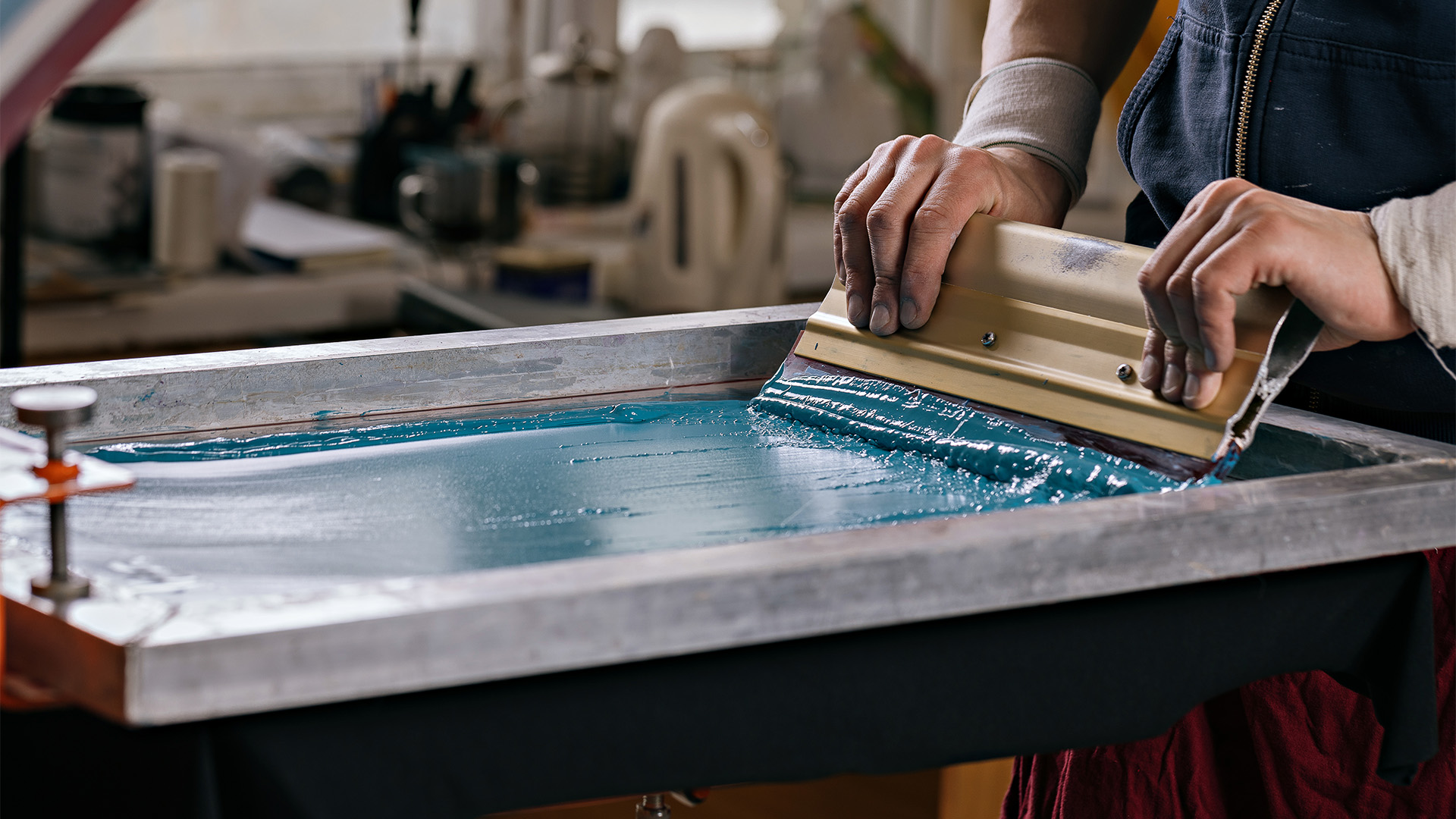
1. Define Printing Requirements
Understand the Substrate:
The material, shape, and surface properties of the substrate will influence the choice of screen. For instance, curved or uneven surfaces may require a flexible nylon mesh, while absorbent surfaces may need a screen that allows more ink flow.
Printing Specifications:
Consider factors such as print precision, resolution, ink thickness, and coverage. These parameters will directly impact the selection of screen mesh count, thread diameter, and mesh opening size.
2. Choose the Screen Type and Material
Types of Screens:
Common screen types include nylon, polyester, and metal meshes. Nylon screens are cost-effective and versatile but have lower heat resistance and higher elongation. Polyester screens are more durable, making them suitable for industrial applications.
Material Properties:
Depending on the characteristics of the substrate and printing needs, select the appropriate screen material. For example, high-tension screens are better for smooth surfaces, while low-mesh screens are suitable for rough textures. Anti-static screens may be necessary for insulating surfaces.
3. Determine Screen Specifications
Mesh Count and Thread Diameter:
A higher mesh count with finer threads provides greater print detail but may reduce printing speed. Therefore, a balance between precision and efficiency must be considered based on your specific printing requirements.
Mesh Opening Size:
The size of the mesh openings directly affects ink flow. It’s important to ensure uniform mesh openings to maintain consistent print quality.
4. Additional Considerations
Tension:
The tension of the screen impacts print stability and quality. Ensure the chosen screen can meet the required tension to achieve reliable results.
Emulsion:
The performance of the emulsion also influences screen selection. Choose a screen that matches the emulsion’s sensitivity, resolution, and adhesion properties.
5. Practical Operation Steps
- Screen Stretching:Use appropriate methods and equipment to stretch the screen according to its specifications and tension requirements.
- Cleaning:Clean the stretched screen to remove any impurities or grease.
- Emulsion Coating:Evenly apply the emulsion to the screen, forming a light-sensitive layer.
- Exposure:Place the screen in the exposure unit to harden the emulsion and create the desired pattern.
- Development:Use a developer solution to remove the unexposed emulsion, revealing the final printing design.
6. Important Considerations
- Avoid Contamination:Prevent the screen from becoming contaminated during the process to maintain print quality.
- Storage and Maintenance:Store unused screens properly to protect them from UV light, moisture, and other environmental factors.
- Regular Inspection:Regularly check for screen wear and replace heavily worn screens in a timely manner.

