When selecting a front panel material for equipment, acrylic and tempered glass are two common options. Both can provide a clear, finished surface, but they differ in weight, processing methods, and how easily printed graphics and custom features can be incorporated.
For equipment manufacturers, the better choice depends on the panel structure, appearance requirements, installation method, and the role the front panel needs to perform.
|
Property |
Acrylic / PMMA |
Tempered Soda-Lime Glass |
|
Density |
~1.19 g/cm³ |
~2.50 g/cm³ |
|
Visible Light Transmission |
Up to ~92% for clear grades |
~89% for standard clear glass; low-iron grades can be higher |
|
Young’s Modulus |
~2.8 GPa |
~72 GPa |
|
Linear Thermal Expansion |
~72 × 10⁻⁶ /°C |
~8.3 × 10⁻⁶ /°C |
|
Thermal Conductivity |
~0.19 W/m·K |
~0.94 W/m·K |
|
Surface / Scratch Resistance |
Softer surface; grade and coating dependent |
Generally harder glass surface |
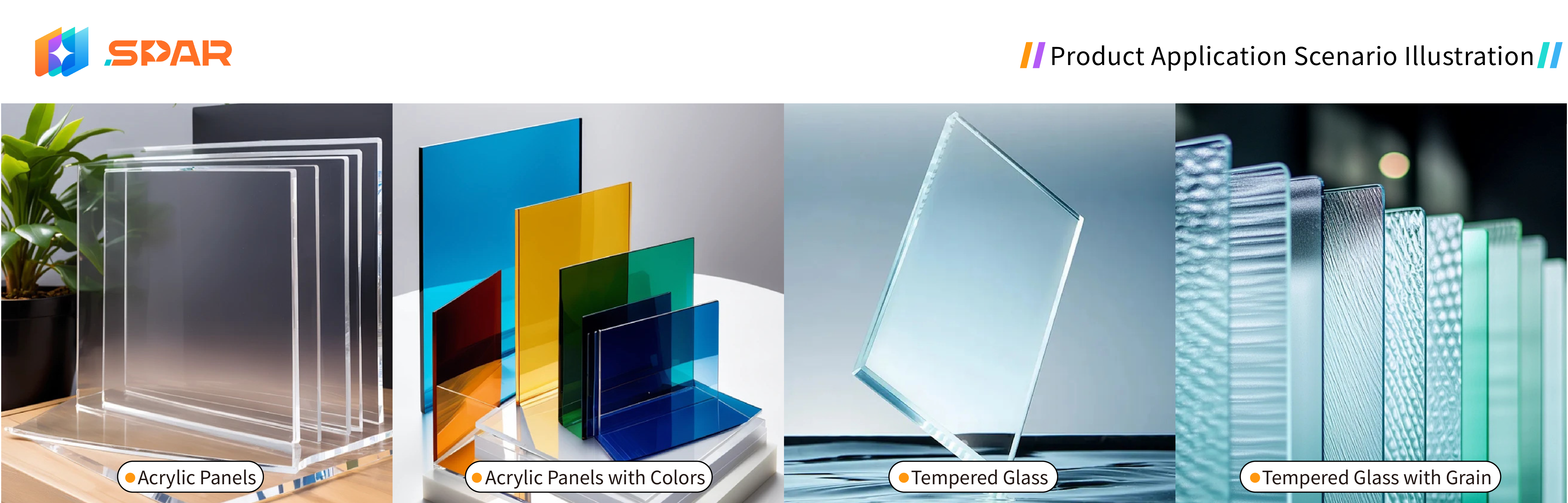
One of the clearest differences between acrylic and tempered glass is weight.
For panels with similar dimensions and thickness, acrylic is substantially lighter than glass. This can make larger front panels easier to handle during assembly and can reduce the load placed on the surrounding housing, mounting points, and supporting structure.
Tempered glass has a higher material density and therefore contributes more weight to the front of the equipment. This does not make it unsuitable, but the added weight may need to be considered when the panel size increases or when the equipment structure has specific mounting requirements.
For applications where a lower-weight front component is preferred, acrylic can provide a practical alternative.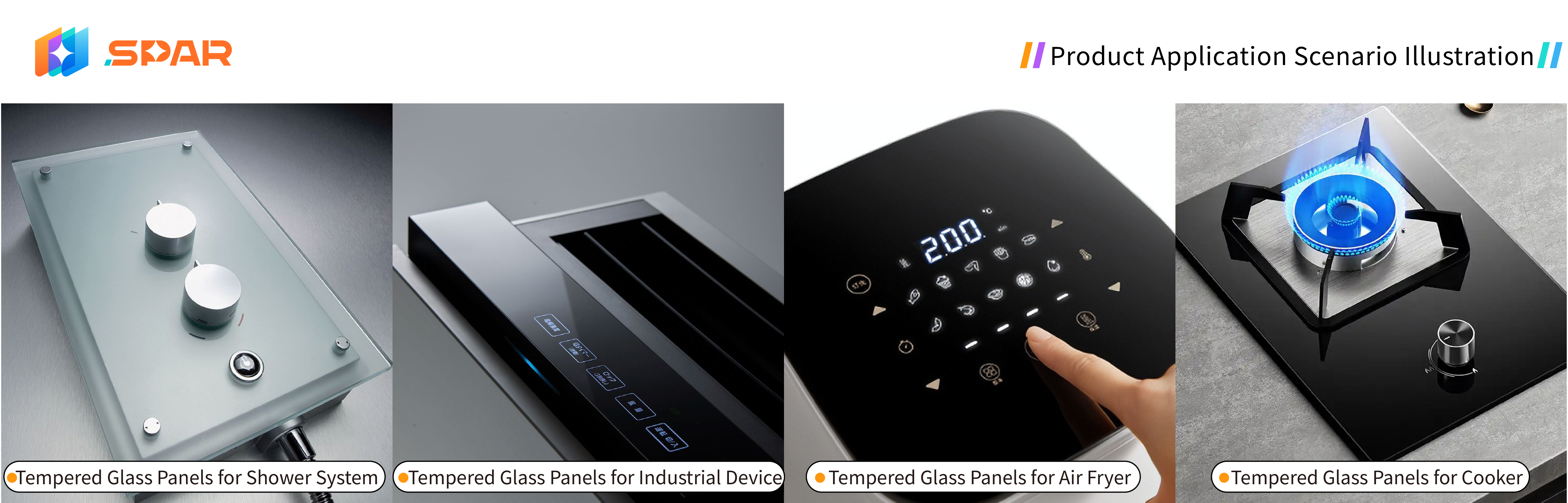
Acrylic can be processed into custom front-panel shapes using methods such as CNC cutting and laser cutting. Openings, display windows, holes for buttons, connectors, knobs, indicator areas, and other interface components can be included according to the equipment drawing.
This processing flexibility is useful when the panel needs to follow a specific housing outline or align with components positioned beneath or around the front surface.
Tempered glass can also be produced in custom shapes, but holes, cutouts, and edge features generally need to be completed before the tempering process. Once the glass has been tempered, further cutting or drilling is normally not part of the standard processing sequence.
This difference can influence how each material is considered during the equipment design and manufacturing process.
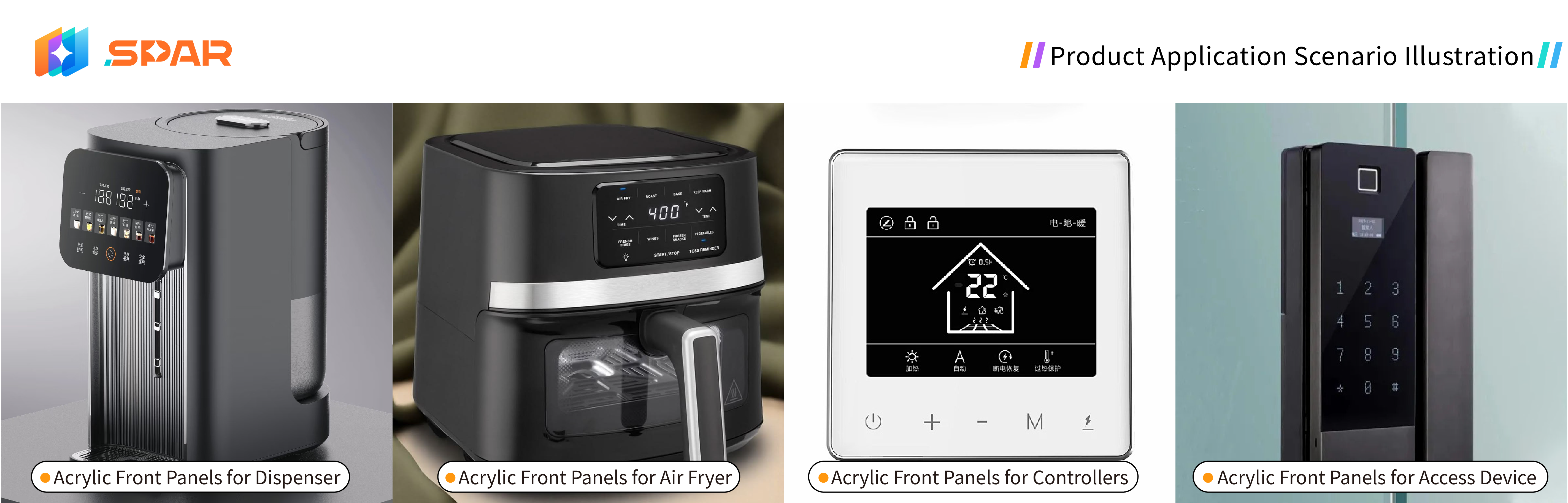
Acrylic front panels can combine transparent areas with printed text, symbols, borders, logos, color blocks, and decorative graphics.
Printing allows one front panel to perform several visual functions at the same time. A display window can remain clear open while the surrounding area carries operating instructions, control markings, branding, or decorative elements.
Reverse printing can also be used when the artwork needs to be viewed through the front of the acrylic. In this structure, the printed layer is positioned behind the material while the front surface remains exposed to normal handling.
These options make acrylic suitable for equipment interfaces where the panel is expected to provide both a finished exterior surface and printed operating information.
Tempered glass can also carry printed graphics, but the appropriate printing and processing method depends on the glass manufacturing route and the project requirements.
Neither material is the correct choice for every project.
Acrylic may be considered when the project places more emphasis on:
Tempered glass may be considered when the project specifically requires a glass surface or when its material characteristics better match the intended equipment structure and application.
The final selection should be based on the complete panel design rather than one material property alone. Panel dimensions, mounting structure, artwork, transparent areas, openings, and the intended appearance should all be reviewed together.
A: Yes. For panels with similar dimensions and thickness, acrylic has a lower material density than glass and therefore produces a lighter front panel.
A: Yes. Acrylic can be CNC cut or laser cut to create custom outlines, display windows, holes for buttons and knobs, connector openings, and other features according to the equipment drawing.
A: Yes. Text, symbols, logos, borders, operating markings, color areas, and decorative graphics can be printed according to the customer’s artwork.
A: No. The appropriate material depends on the equipment structure, appearance requirements, processing needs, installation method, and application conditions.
Acrylic and tempered glass can both be used for equipment front panels, but they support different design and manufacturing priorities.
Acrylic provides a lower-weight option and can be combined with custom machining, openings, transparent areas, and printed graphics. Tempered glass remains an alternative when a glass surface better matches the product structure and project requirements.
For custom acrylic front panels, Spar Panel can produce panels according to customer drawings and artwork, including CNC machining, printed graphics, display areas, and other required structural features.


