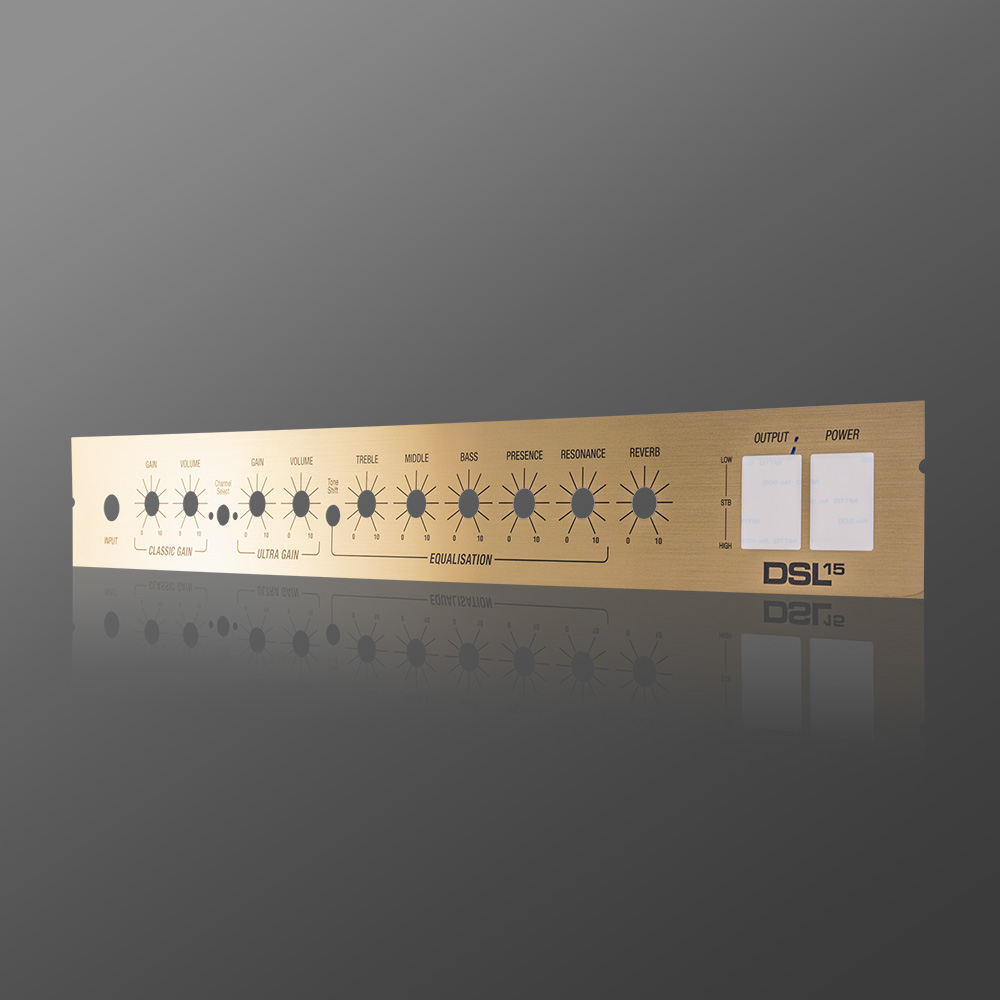
PMMA display panels used in control equipment need to balance panel thickness, display-window structure, mounting method, and operating environment. Thickness mainly affects rigidity and assembly, while temperature suitability depends on the specific PMMA grade and the actual conditions around the panel.
Understanding these two factors separately—and then reviewing them together—helps avoid choosing a panel based on one specification alone.
PMMA display panels can be produced in different thicknesses according to the equipment structure and drawing requirements.
A thinner panel generally follows the supporting surface more easily and can be useful where a lower-profile construction is required. As thickness increases, the panel becomes more rigid and can better maintain its shape across larger display areas or openings.
However, thicker does not automatically mean better.
The appropriate thickness also depends on:
overall panel dimensions;
size and position of the display window;
holes, slots, and other cutouts;
surrounding enclosure support;
adhesive or mounting structure;
required edge and surface appearance.
For example, a large panel with a wide display window may need more rigidity than a small panel supported closely by the housing.
The practical approach is to select the thickness according to the mechanical and assembly requirements of the actual equipment rather than using one fixed thickness range for every application.
PMMA does not have one universal working-temperature range that applies to every display panel.
The suitable operating temperature depends on the specific acrylic grade, sheet type, panel structure, loading, mounting condition, and surrounding environment.
The temperature at the panel itself may also differ from the general room temperature.
A display panel mounted near a power supply, motor, lamp, display module, or other heat-generating component may experience a higher local temperature than the surrounding air. Likewise, equipment installed in colder environments may expose the panel to lower surface temperatures than a typical indoor application.
For this reason, temperature requirements should be based on the actual equipment environment and the technical data of the selected PMMA grade.
If the project involves elevated temperatures or unusually cold conditions, the material should be reviewed before production rather than assuming that all PMMA sheets have the same operating limit.
Thickness and temperature describe different parts of the panel design.
Thickness mainly determines rigidity, panel depth, handling, and how the panel fits the enclosure.
Temperature affects how the selected PMMA material behaves in the actual operating environment.
A thicker panel is not automatically more heat resistant, and a thinner panel is not automatically more suitable for cold conditions.
Temperature changes can also cause plastic panels and surrounding metal or plastic housings to expand or contract differently. On larger panels, this makes mounting clearance, adhesive coverage, hole positions, and surrounding support more important.
The better design sequence is therefore:
Select the panel thickness according to the mechanical and assembly requirements.
Confirm that the selected PMMA grade is suitable for the expected operating conditions.
Review the panel, mounting structure, and equipment environment together during sampling.
This keeps thickness selection and temperature evaluation connected without treating them as the same material property.
PMMA display panel thickness should mainly be selected according to panel size, rigidity, display-window structure, and mounting requirements.
Temperature suitability should be evaluated separately according to the selected PMMA grade and the actual operating environment of the equipment.
For custom control equipment, reviewing the drawing, panel structure, material requirements, and expected operating conditions together provides a more reliable basis for sampling and production.
No. The suitable operating range depends on the specific PMMA grade, panel structure, loading, mounting method, and application environment. The technical data for the selected material should be reviewed when temperature is an important project requirement.
Thickness mainly affects rigidity, panel depth, handling, and the ability of the panel to maintain its shape across display windows and openings. The appropriate thickness depends on the complete panel and enclosure structure.
Not necessarily. Increasing thickness can improve rigidity, but it does not automatically increase the recommended operating temperature of the PMMA material. Temperature capability depends mainly on the selected material grade and actual application conditions.
iPage | Polymethyl Methacrylate (PMMA) Properties
Everything You Need to Know About Acrylic (PMMA) | Xometry