Introduction: Crazing in PMMA display panels usually begins with stress, solvent contact, or edge damage, and its fine internal lines are often mistaken for simple surface scratches.
A cloudy patch, a silver sheen under the surface, or a web of hairline marks can turn a routine inspection into a guessing game. The important question is what kind of damage you are seeing, because crazing behaves differently from a scratch or a worn coating. Understanding the mechanism helps a learner separate a cleaning mark from a stress response and judge whether the issue belongs to handling, machining, assembly, or chemical exposure. The visual clues are consistent enough to make that distinction practical.
Crazing in acrylic (PMMA) is a form of localized material damage that produces networks of very fine cracks or craze structures. These features scatter light, which can make the affected area appear silvery, cloudy, or milky, particularly under angled lighting.
Crazing may develop at or near a material surface and is often associated with localized stress, incompatible chemical exposure, or a combination of the two. Machined edges, holes, and sharp internal corners deserve particular attention because their geometry and processing history can influence stress concentration.
However, a cloudy appearance is not proof of crazing. Surface abrasion, contamination, coating defects, and other optical irregularities can also reduce clarity. The appearance, location, and processing history of the affected panel should be considered before identifying the cause.
For acrylic display panels, this distinction is important because cleaning or polishing a surface defect is different from addressing damage associated with stress within the PMMA material.
Several factors can contribute to crazing in PMMA display panels. They do not necessarily occur together, and identifying the actual cause requires an understanding of the material and its processing or service conditions.
These factors provide useful starting points for investigating an affected panel, but the defect location alone cannot establish a root cause.
Crazing, surface scratches, and coating wear can sometimes produce similar visual effects, but they do not necessarily involve the same type of damage.
Crazing may appear as clusters of fine lines, branching patterns, or cloudy regions that become more visible under angled light. Surface scratches often follow a directional contact or wiping pattern, while coating wear may appear as a broader change in gloss or surface texture.
These are useful visual clues rather than definitive identification rules. A milky appearance can have several possible causes, and not every scratch can be detected by touch.
A practical initial inspection should use suitable lighting and, where necessary, magnification to examine the location and shape of the defect without adding further surface damage.
The panel's processing and service history should also be reviewed. Relevant information may include recent machining, assembly loads, cleaning agents, and exposure conditions.
If the appearance remains unclear, further evaluation may be needed before deciding whether cleaning, surface refinishing, or replacement is appropriate. Polishing should not be assumed to remove crazing, since the damage may extend beyond a superficial surface mark.
Crazing in acrylic display panels is commonly associated with material stress, chemical exposure, or their combined effects. It may appear as fine lines, silvery patterns, or cloudy areas, but not every milky mark is evidence of crazing.
Distinguishing material damage from scratches, contamination, or coating defects is an important first step before choosing a corrective action.
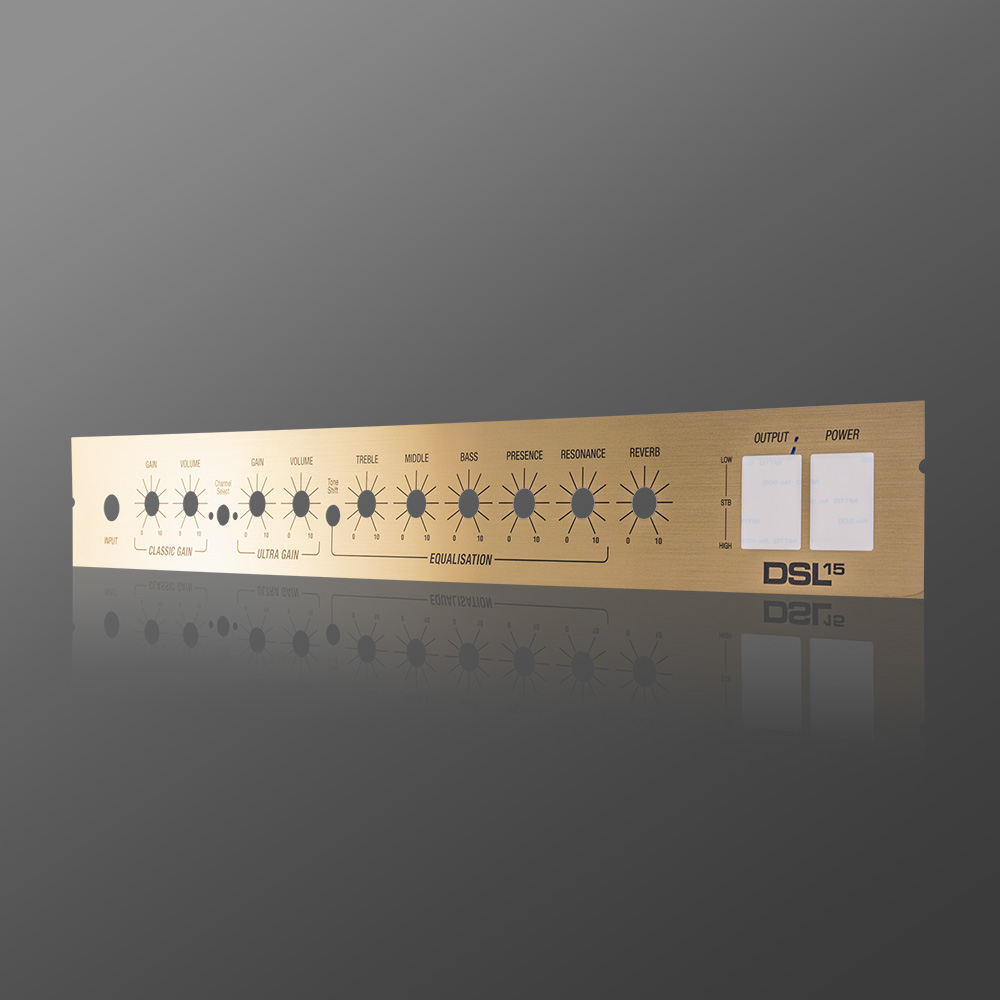
For custom PMMA display panels, material selection, machining quality, cutout geometry, assembly conditions, and chemical compatibility should be considered together.
Spar Panel manufactures custom acrylic display panels according to customer drawings. Critical appearance requirements, material specifications, and assembly conditions can be reviewed during project evaluation and sample confirmation.
A: No. A cloudy appearance may result from crazing, surface abrasion, contamination, coating damage, or other material and processing conditions. The appearance should be evaluated together with the defect location and the panel's processing history before determining the cause.
A: Crazing generally cannot be removed through ordinary cleaning because it involves damage to the PMMA material rather than removable dirt. Surface polishing may improve certain superficial marks, but it should not be assumed to eliminate crazing. The appropriate response depends on the extent and location of the damage.
Everything You Need to Know About Acrylic (PMMA)
ACRYLITE - Caring and Cleaning of Acrylic Sheet
ACRYLITE - Annealing Acrylic Sheet