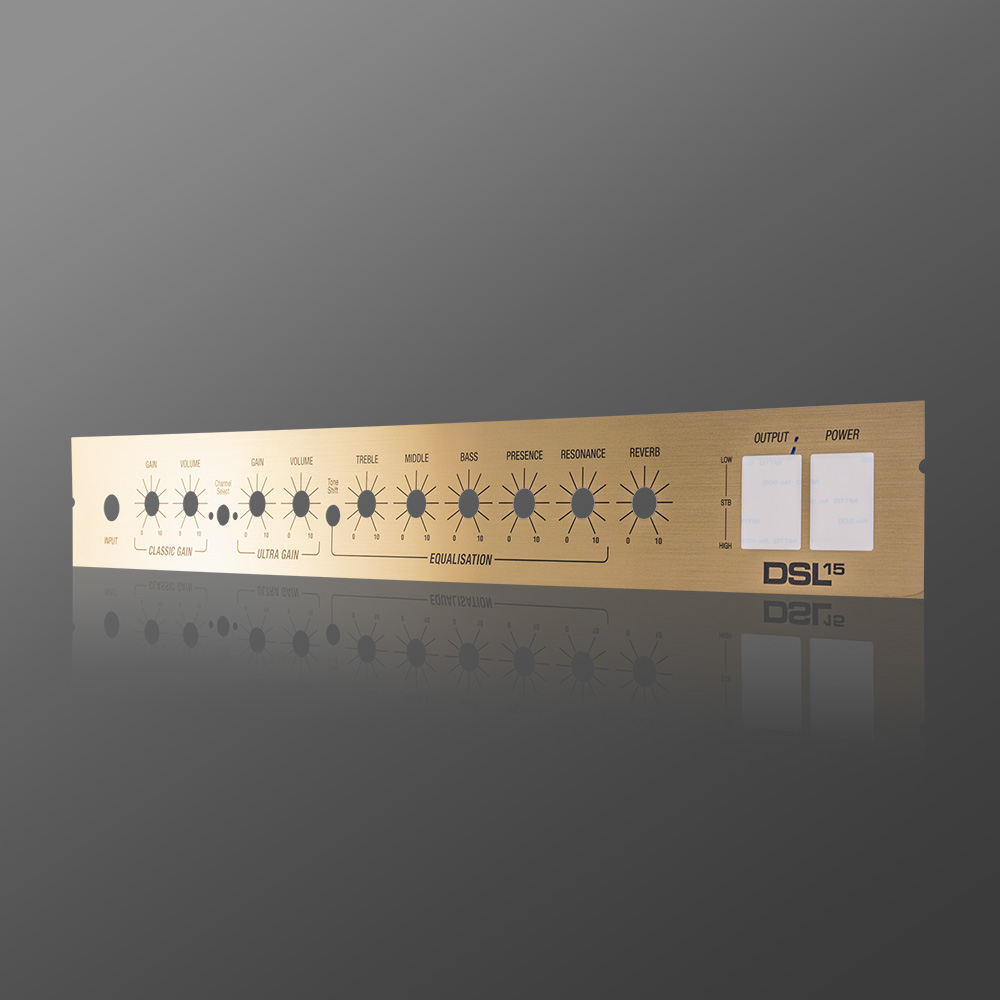
When selecting a PMMA display panel for a control device, thickness should be evaluated together with the panel's unsupported span, mounting structure, cutouts, and assembly requirements.
The effective unsupported span is an important starting point for PMMA thickness selection. A clear viewing area may retain the full sheet structure, while a physical cutout removes material and changes the stiffness of the surrounding panel.
As the unsupported area increases, the same sheet thickness may show greater deflection under handling or assembly loads. A thicker sheet can improve bending stiffness, but the required thickness also depends on how the panel is supported.
A continuous supporting frame, suitable mounting points, or a compatible housing structure may reduce the unsupported span. These features should be considered together with the acrylic panel thickness rather than assuming that a thicker sheet is always the best solution.
An unsupported window acts like a plate spanning between supports. As the span grows, the same PMMA thickness deflects more under finger pressure, cleaning loads, and assembly preload; a thicker sheet increases bending stiffness and helps the window stay visually flat. For large control-device windows, start in the mid-to-heavy end of the range and check the sample against the actual bezel opening. Very thin sheet can suit a small display with close support, but it is a poor starting point for a wide window unless ribs, brackets, or a full-frame bezel carry the load.
Screw bosses, edge clamps, and a continuous bezel lip change the thickness requirement because they shorten the unsupported span. If the front panel is captured around its full perimeter and the display window has close support, a thinner PMMA sheet can hold flatness and reduce assembly height. If support is limited to a few tabs, the panel needs more thickness or additional support geometry. Review the support map with the thickness choice: adding a bezel lip or a pair of hidden ribs often saves more gauge than jumping to the thickest sheet in the range.
Cutouts for displays, buttons, indicators, connectors, and mechanical features interrupt the sheet’s load path. A clean rectangular opening with generous corner radii and a polished edge behaves better than a tight inside corner with a rough routed edge. Sharp corners concentrate stress, and a rough edge can become the starting point for a chip or crack during handling. When the layout includes several cutouts close together, the remaining PMMA bridges act like narrow beams; a thicker sheet can help, but the better fix is often to widen the bridge, add corner radii, or move the cutout away from the panel edge. Edge finish belongs in the thickness decision because it changes how the panel feels and how safely it assembles. A machined edge with a light chamfer or polish reduces sharp contact points and makes a thicker sheet easier to handle without a rough, unfinished look. For tight bezel gaps, the edge condition also affects fit: burrs and chips can make a 2 mm sheet act like a thicker part at the assembly station. Cutout dimensions, corner radii, remaining material width, and edge finishing should be reviewed together with the selected sheet thickness. Critical dimensions and tolerances must be specified on the drawing and confirmed according to the material, part geometry, and manufacturing requirements.
A thicker sheet does not automatically eliminate cracking or chipping risks caused by unsuitable cutout geometry or excessive assembly stress.
For adhesive-mounted PMMA panels, the selected sheet thickness should be compatible with the equipment's mounting surface and adhesive construction.
Thinner sheets may conform more easily to slight surface variations, while thicker sheets generally offer greater bending stiffness. However, neither condition guarantees reliable bonding. Adhesive performance also depends on the tape grade, bonding surface, adhesive coverage, and assembly conditions.
Before finalizing the thickness, a representative panel sample should be evaluated with the intended housing or mounting structure.
The review should include panel flatness, window alignment, cutout clearance, edge condition, and bonding fit where applicable. If the sample reveals excessive flexing, poor alignment, or inadequate contact with the mounting surface, the panel thickness, support arrangement, or assembly design may need further evaluation.
For Spar Panel projects, the final thickness and manufacturing requirements can be reviewed against the customer's drawing before sample approval and mass production.
For a control-device front panel, choose PMMA thickness by working from the display window outward: span and support first, cutout geometry and edge finish second, then adhesive flatness and sample assembly. Thin sheet can be the right answer for a small, well-supported window; mid-gauge sheet is the practical starting point for many instrument fronts; heavier sheet earns its place when the window is large, unsupported, or needs extra flatness. Once the drawing is close, confirm the final gauge with a sample assembly and a custom quotation. As an acrylic display panel manufacturer, we can review your drawing, window size, cutout layout, bezel support, and target quantity, then return a sample plan, MOQ, and lead time.
A: The choice depends on the unsupported span, mounting structure, cutout arrangement, and required stiffness. A 4 mm sheet generally provides greater bending stiffness than a 2 mm sheet of the same material, but neither thickness can be recommended for every control panel without reviewing the actual design. Representative sample assembly is recommended before final selection.
A: No. Greater thickness can improve overall stiffness, but edge damage and cracking risks are also influenced by corner geometry, remaining material width, machining quality, and assembly stress. These factors should be evaluated together rather than relying on thickness alone.
Everything You Need to Know About Acrylic (PMMA)
ACRYLITE — Center Load Calculator
3M — Surface Preparation for VHB Tape Applications