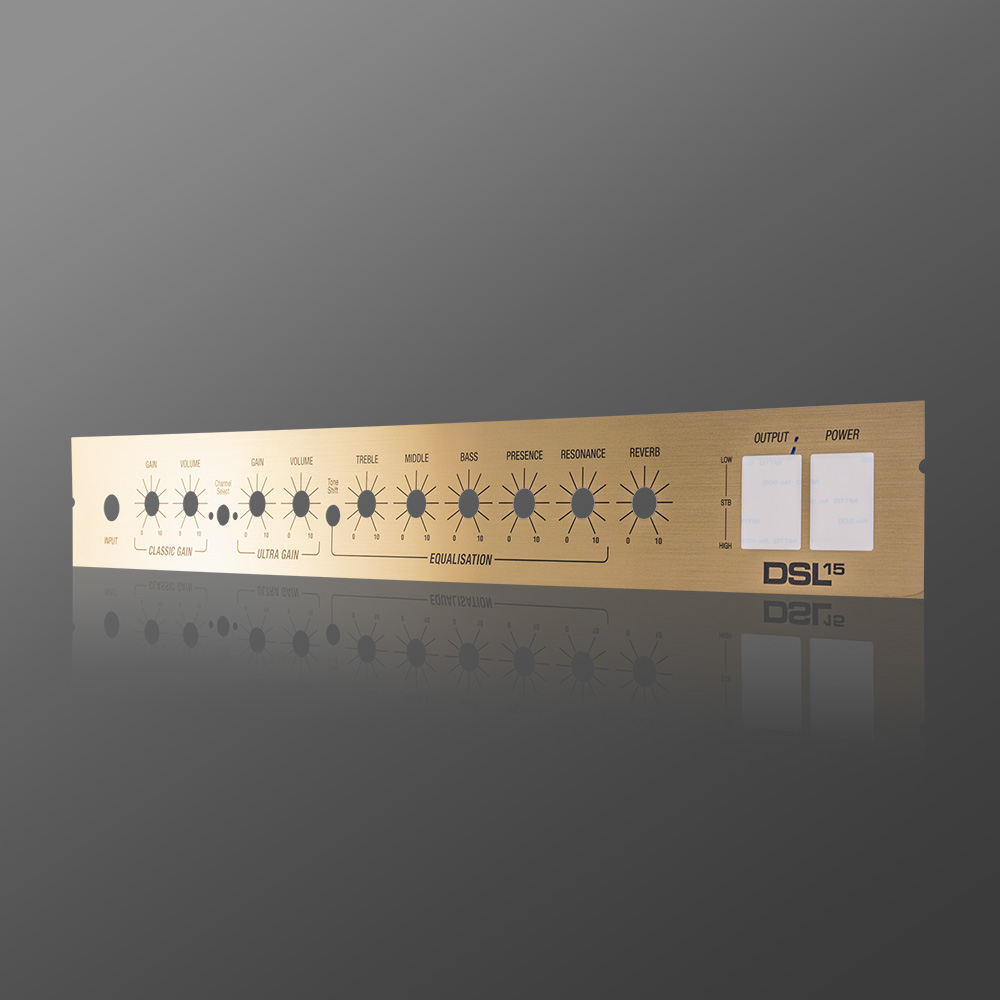
Backlit graphic overlays use transparent or translucent areas to allow light from LEDs, displays, or other light sources to pass through selected parts of the interface. At the same time, surrounding printed areas are usually designed to remain opaque.
Light leakage occurs when light becomes visible outside the intended illuminated area. This may appear as glowing edges around symbols, unwanted light through a dark background, or illuminated areas that do not align correctly with the printed graphics.
The cause is not always the graphic overlay itself. Light leakage can result from the relationship between printing, artwork alignment, window design, the light source, and the final equipment assembly.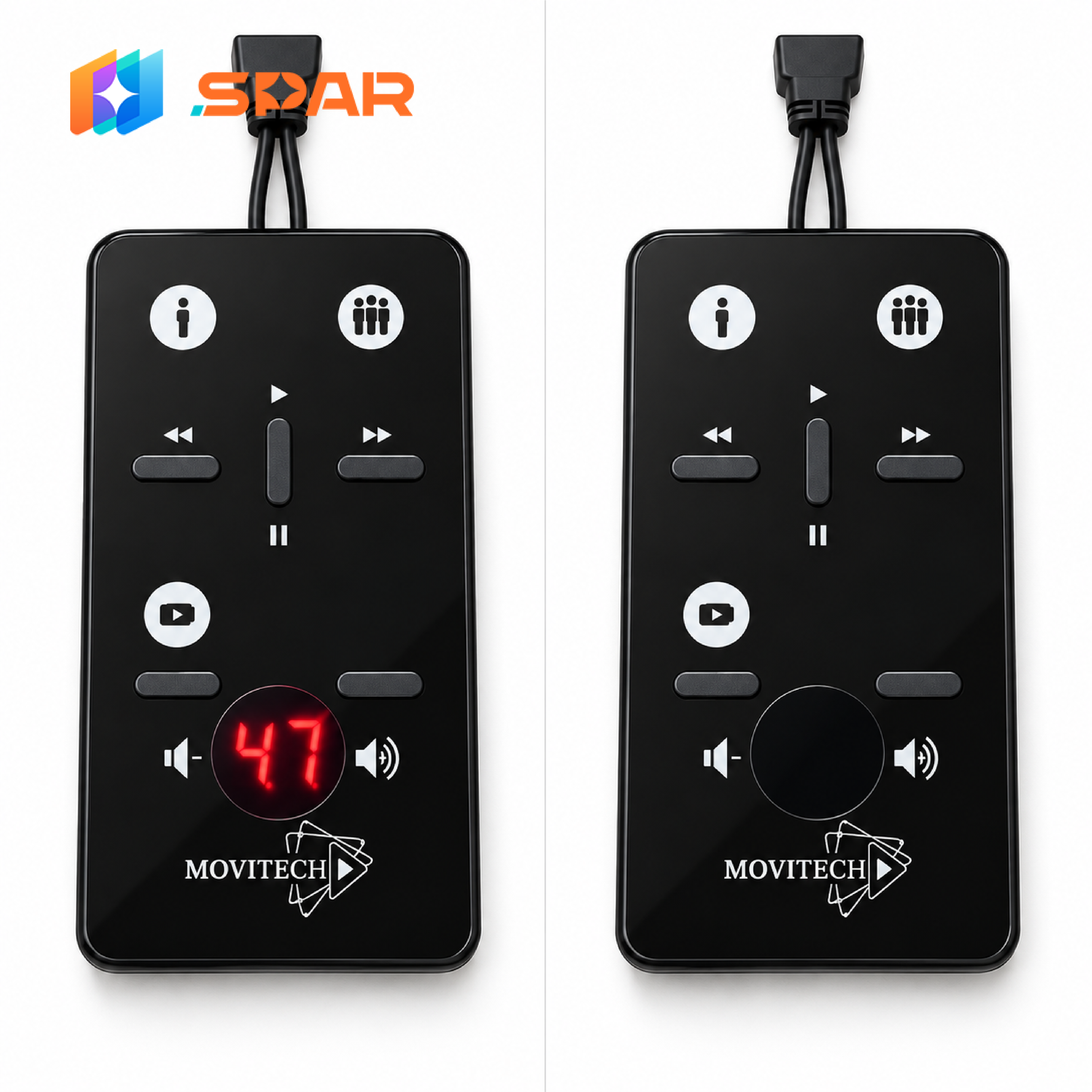
Light leakage generally means that light appears in an area that was intended to remain dark.
This is different from a hotspot, where one part of an intentionally illuminated area appears brighter than the surrounding area. It is also different from uneven brightness, where the light intensity varies across an area that is supposed to be illuminated.
These problems can sometimes appear together, but they do not always have the same cause.
For a graphic overlay, the first areas to review are usually the opaque printed regions, transparent or translucent graphics, artwork registration, windows, and their relationship with the light source behind the panel.
|
Possible Cause |
What Happens |
What Should Be Reviewed |
|
Insufficient opaque ink coverage |
Light passes through areas intended to remain dark |
Ink opacity and printing structure |
|
Misalignment between printed graphics and illuminated areas |
Light appears outside the intended symbol, icon, or window |
Artwork registration and sample alignment |
|
Window or translucent area is larger than required |
More light becomes visible around the intended illuminated area |
Window size, printed border, and translucent-area geometry |
|
Light source is too close or unevenly distributed |
Bright spots or unwanted illumination become more visible |
Light-source position, spacing, and diffusion structure |
|
Overlay and equipment openings are misaligned |
Light reaches surrounding areas through unintended paths |
Overlay drawing, housing openings, and assembly position |
The table helps identify the likely source of the problem, but the final appearance should be evaluated as part of the complete equipment structure.
One of the main functions of the printed background on a backlit graphic overlay is to control where light is blocked.
Opaque ink is used for areas that are intended to remain dark, while transparent or translucent inks and unprinted windows can be used where light transmission is required.
If the printed background does not provide sufficient opacity for the actual lighting condition, some light may become visible through areas that were intended to remain dark.
However, light blocking is not determined by ink thickness alone. The ink system, substrate, printing structure, background color, number of printed layers, and brightness of the light source can all affect the final result.
For this reason, the required light-blocking effect should be evaluated on a physical sample under representative backlighting conditions.
Backlit symbols, icons, display windows, and indicator areas need to align with the corresponding lighting or display structure behind the overlay.
If the printed opaque border shifts relative to the illuminated area, part of the light can become visible outside the intended graphic.
For example, a backlit icon may appear to have a glowing edge if the illuminated area behind it extends beyond the printed mask. A display window can also appear uneven if its printed border does not align correctly with the visible display area.
Alignment therefore depends on more than printing registration alone. The artwork, cutouts, windows, housing openings, and final assembly position should all follow the same confirmed equipment layout.
Backlit graphic overlays may include clear windows, translucent areas, printed transparent colors, or combinations of these features.
A clear window allows the display or light source behind the overlay to remain directly visible. A translucent area diffuses or reduces the transmitted light depending on the material and printing structure.
The size and shape of these areas matter.
If a transparent or translucent region extends beyond the intended illuminated graphic, additional light may become visible around the symbol or display area. A surrounding opaque border can help define the illuminated region, but its dimensions still need to match the actual equipment layout.
For this reason, the window geometry should be reviewed together with the artwork and the position of the light source or display behind the overlay.
Even when the printing and windows on the graphic overlay are correct, the finished interface may still show hotspots, bright edges, or uneven illumination.
The lighting structure behind the overlay also affects the result.
LED position, the distance between the light source and the overlay, diffuser design, housing geometry, internal reflections, and assembly gaps can all influence how light reaches the panel surface.
The graphic overlay mainly controls where light is allowed to pass and where it should be blocked. The backlighting system determines how the light is generated and distributed before it reaches the overlay.
When a lighting problem appears during sampling, these two parts should therefore be evaluated separately before deciding where the correction is required.
A backlit overlay should be evaluated under lighting conditions that are as close as practical to the final equipment.
Checking the sample only under normal room lighting may not reveal problems that appear once the LED or display behind the overlay is turned on.
During sample review, attention should be given to whether the illuminated symbols and windows align correctly, whether opaque areas show unwanted light transmission, whether illuminated edges remain clearly defined, and whether the overall lighting appearance matches the intended design.
Where possible, the overlay should be installed or positioned over the intended lighting structure during sample confirmation.
This allows the customer and manufacturer to evaluate the graphic overlay as part of the actual interface rather than as an isolated printed part.
Clear project information makes it easier to evaluate backlit areas before sampling.
The drawing and artwork should identify which regions need to remain opaque and which areas are intended to transmit light. Display windows, indicator positions, transparent or translucent graphics, and relevant equipment openings should also be clearly defined.
Information about the approximate lighting structure can also be useful when the appearance of the backlit area is important.
For custom backlit graphic overlays, Spar Panel can review the customer drawing, artwork, window layout, and required illuminated areas before sampling.
Increasing ink coverage may improve light blocking in some structures, but light leakage should not be evaluated by ink thickness alone. Ink opacity, substrate, printing structure, artwork alignment, and the brightness and position of the light source should also be considered.
No. The overlay controls where light should pass or remain blocked, but LED position, diffusion, spacing, housing structure, and assembly can also affect the finished lighting appearance.
Testing under lighting conditions close to the final equipment is recommended whenever possible. Backlighting can reveal unwanted transmission, alignment problems, or uneven illumination that may not be visible when the overlay is inspected under normal room light.
Light leakage in a backlit graphic overlay usually results from the relationship between the printed overlay and the lighting structure behind it rather than from a single factor.
For the overlay itself, the main areas to review are opaque ink coverage, artwork alignment, window and translucent-area geometry, and the relationship between the printed design and the equipment layout.
The backlight system should also be evaluated separately when hotspots or uneven illumination remain after the overlay structure has been confirmed.
For custom backlit graphic overlays, Spar Panel can manufacture printed overlays according to customer drawings, artwork, window requirements, and intended illuminated areas.