Hisense is one of China's leading home appliance brands and a global benchmark in the display industry. Its business covers home appliances, smart terminals, and whole-home intelligent devices, with products sold in more than 160 countries and regions worldwide. For its supply chain, Hisense maintains strict full-process standards for quality management, process accuracy, cost control, and delivery efficiency.
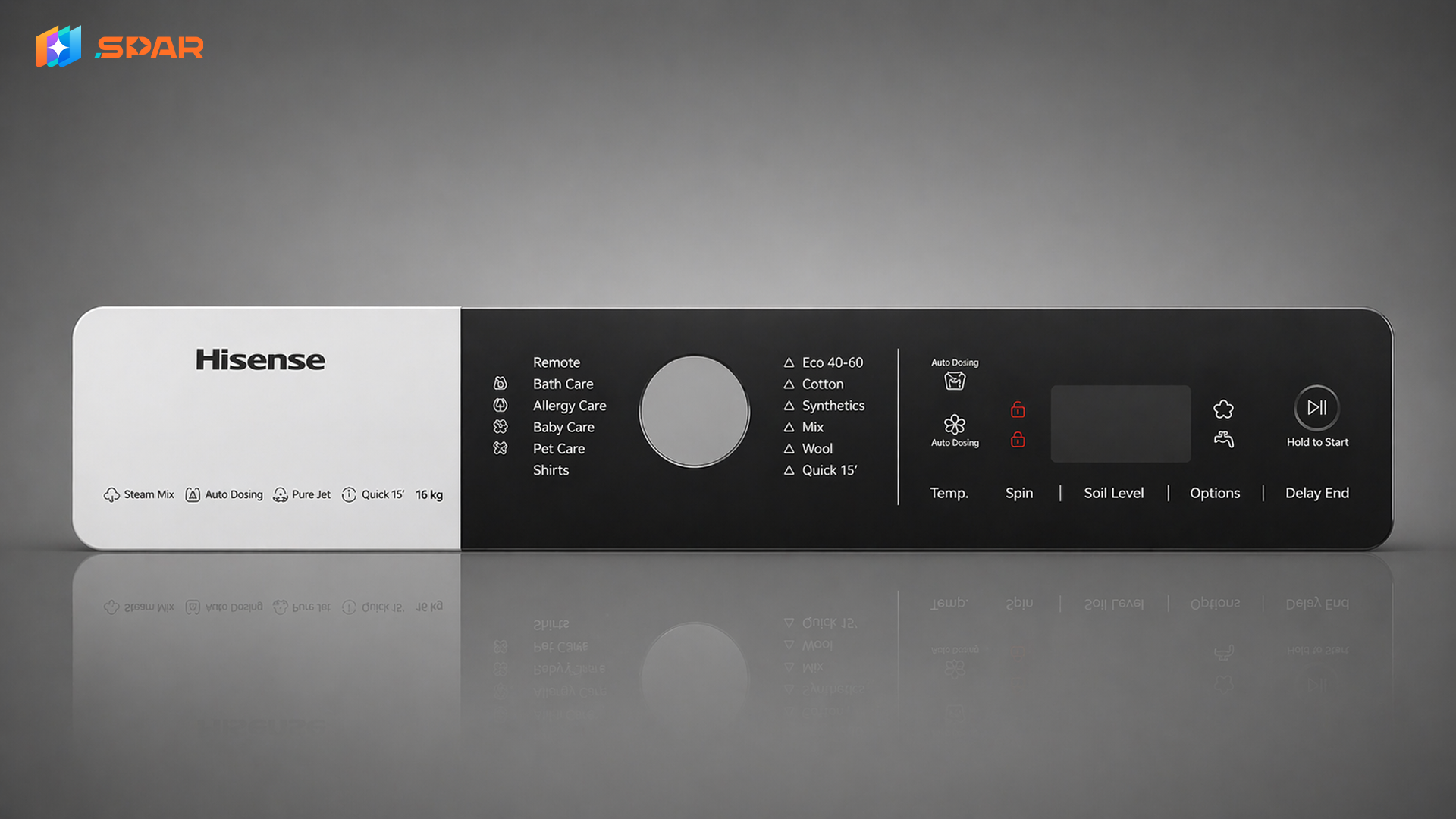
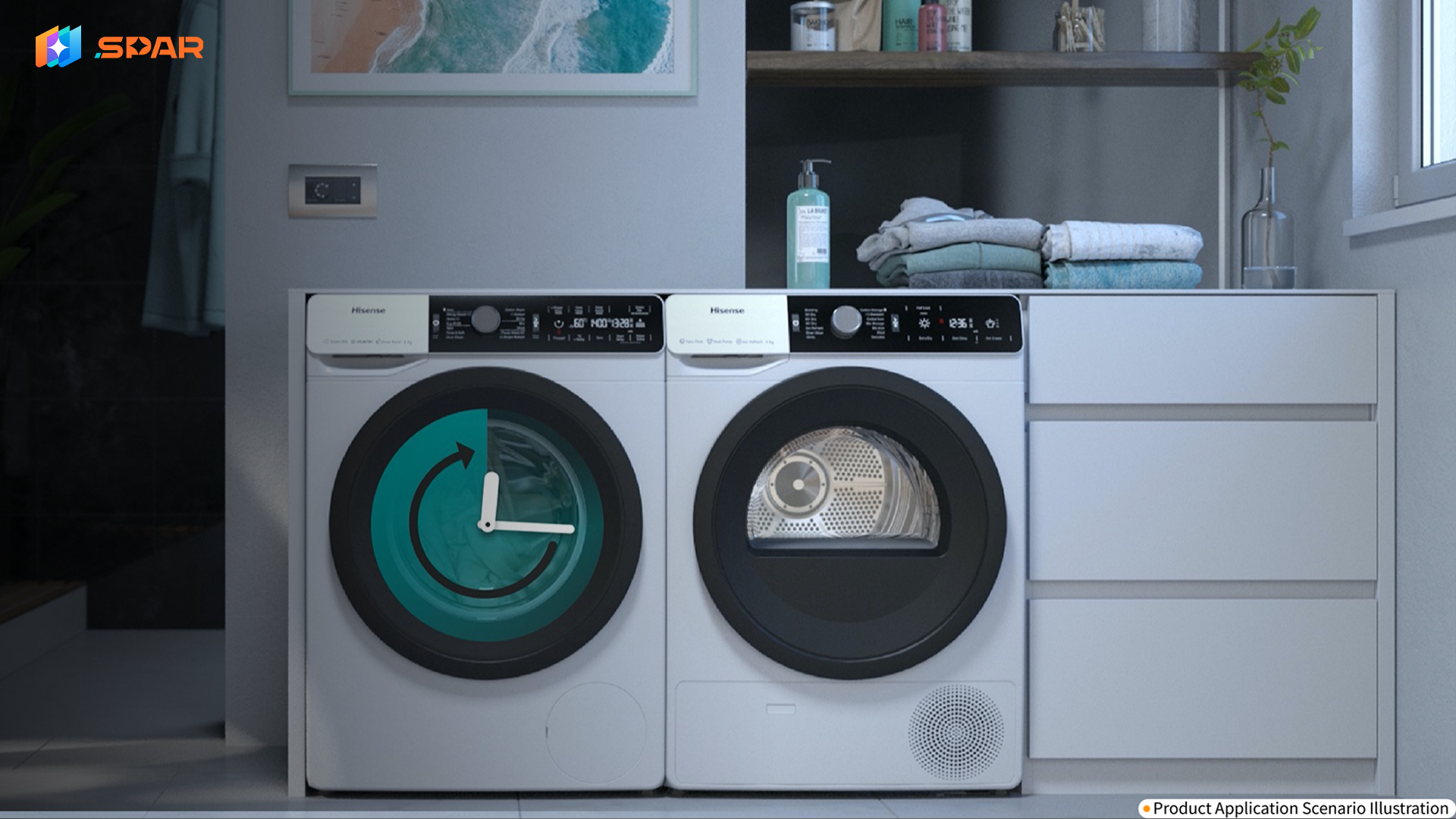
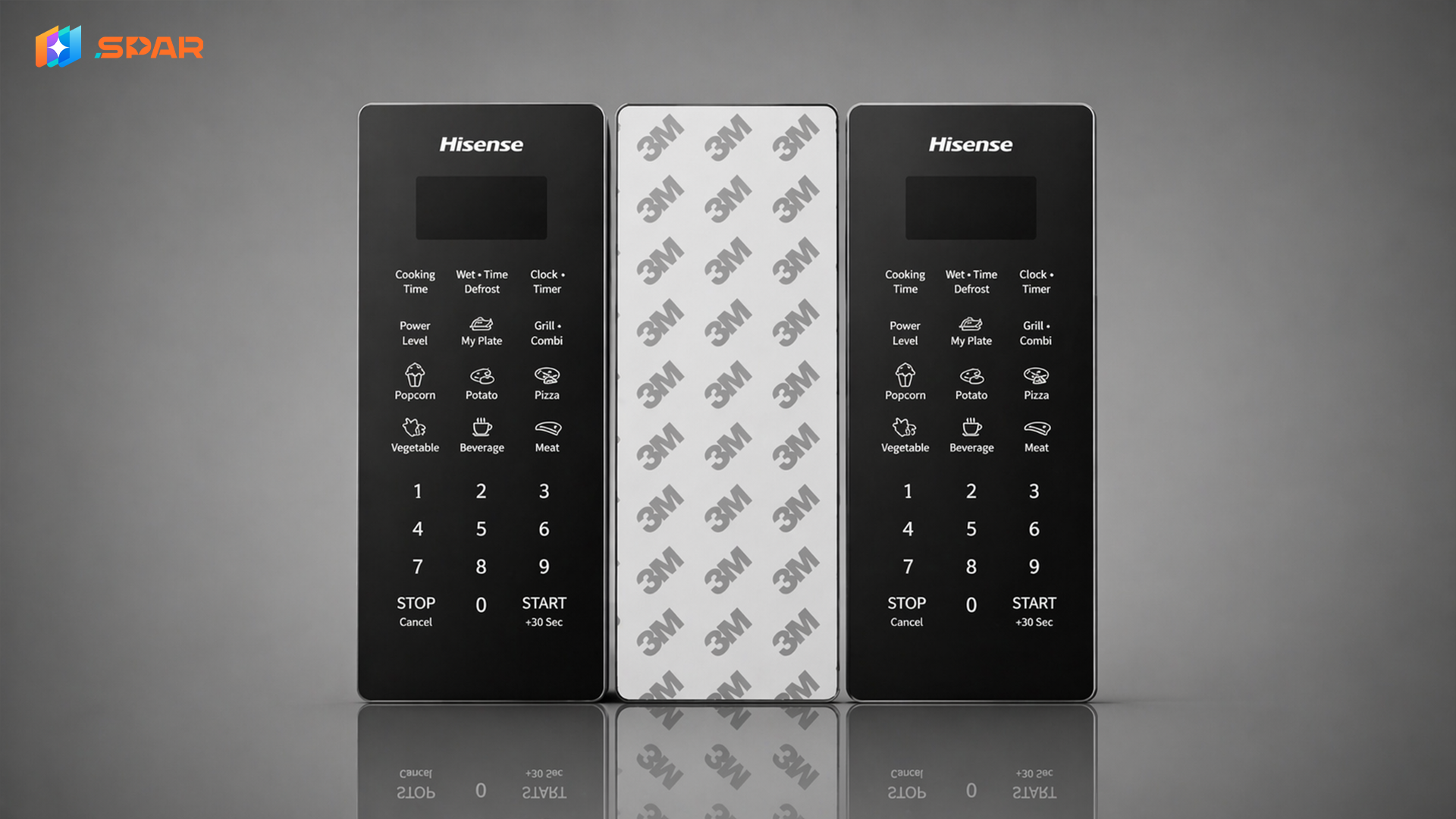
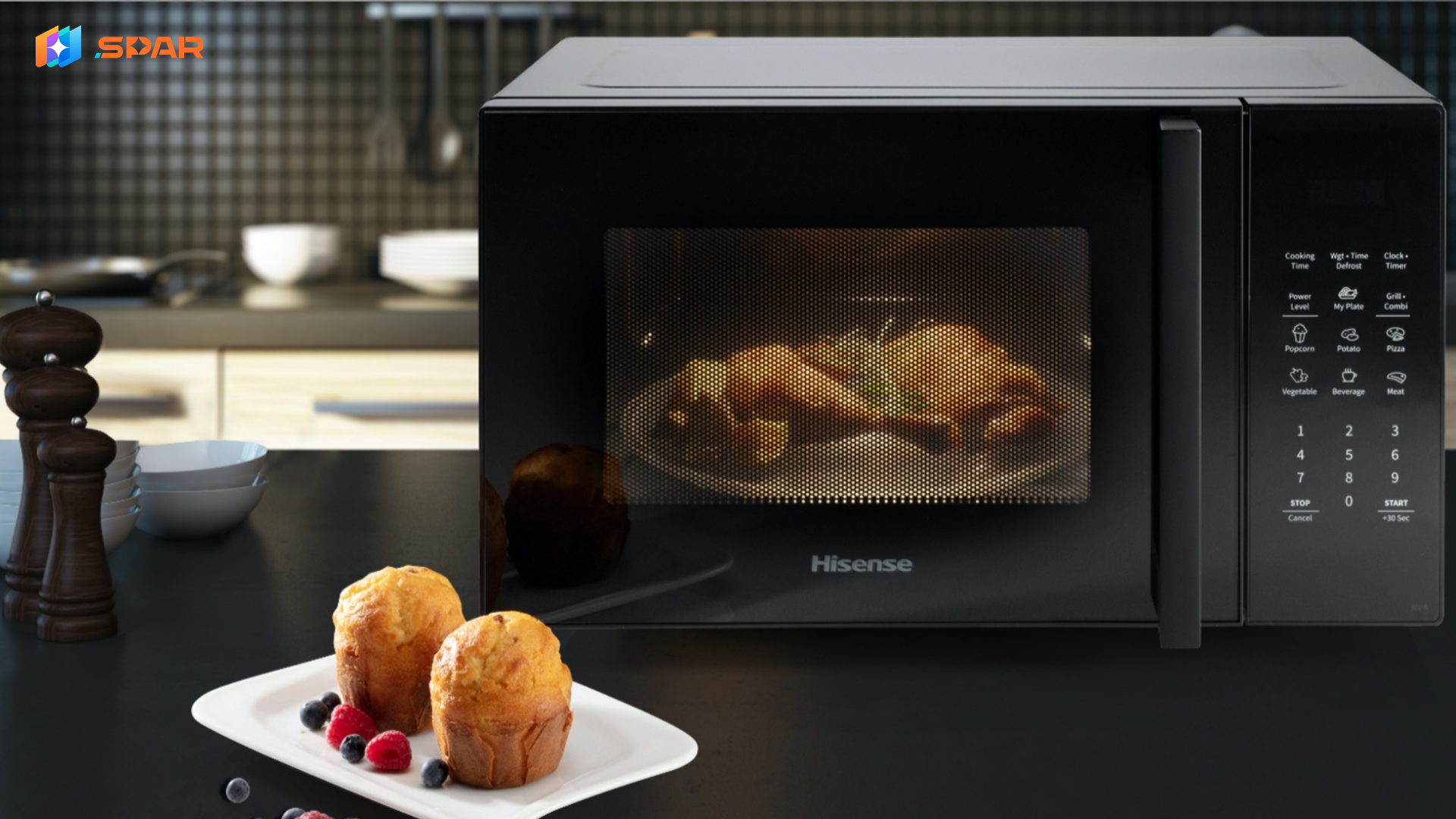
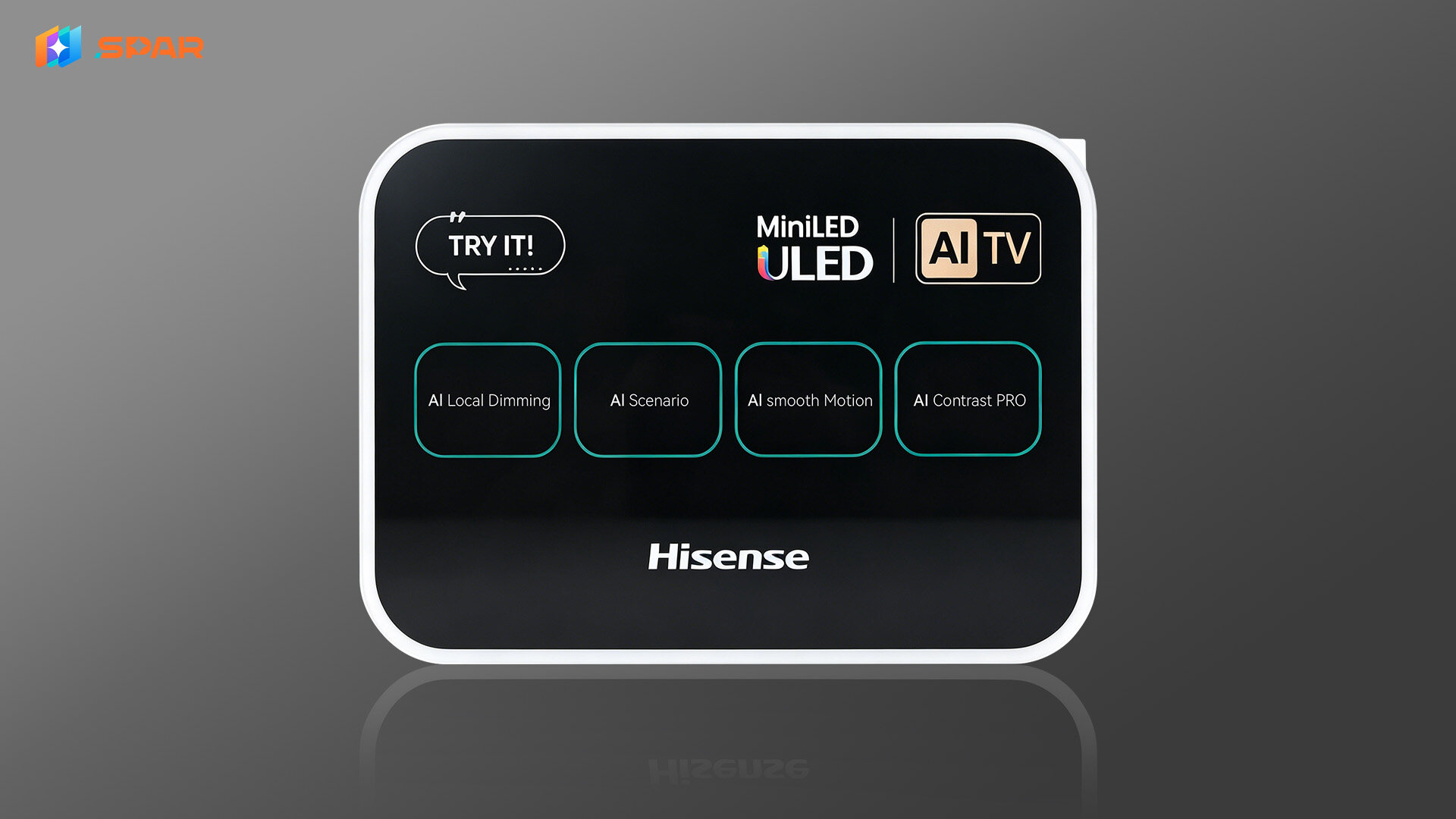
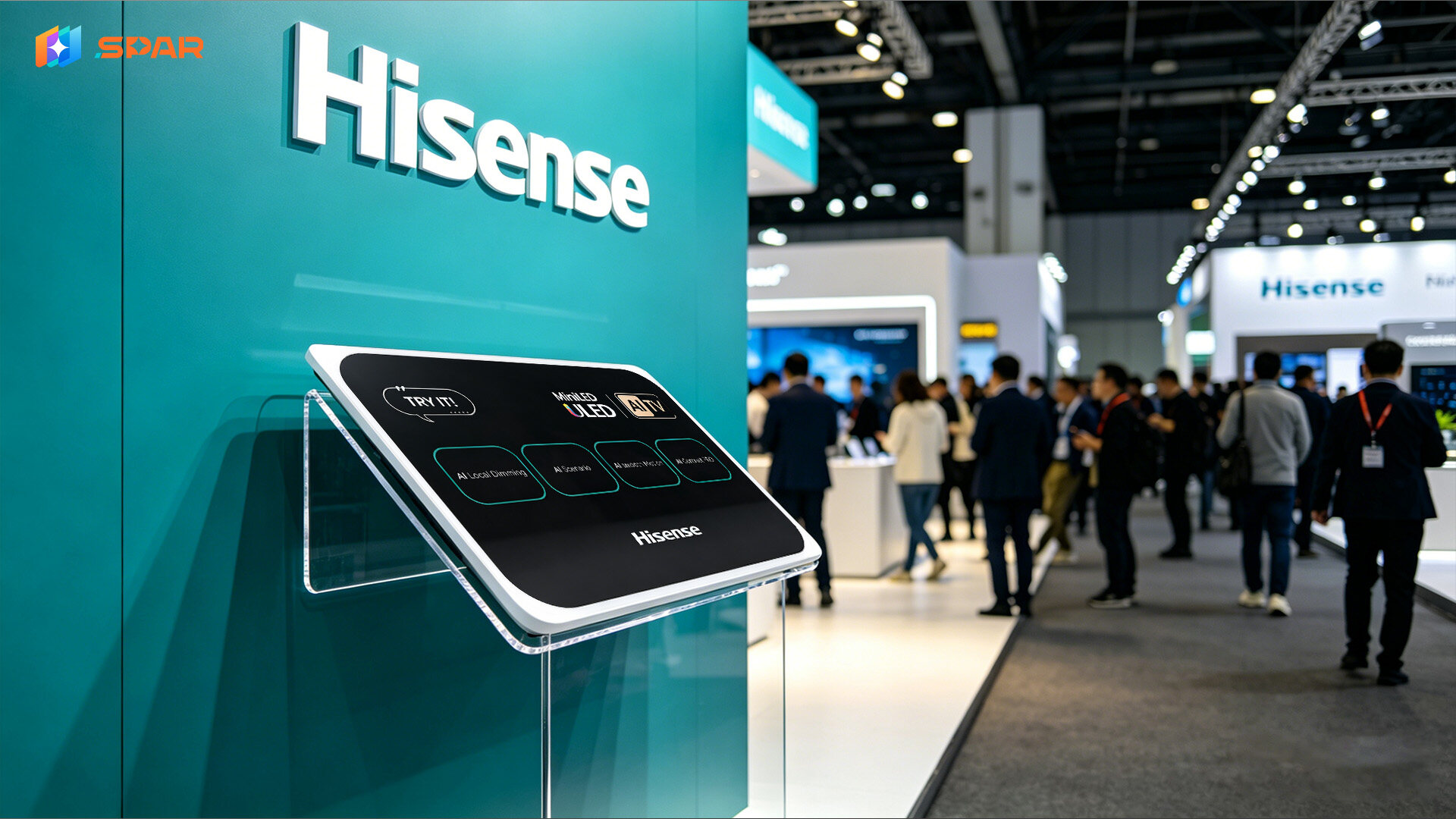
For a premium home appliance brand such as Hisense, touch panels and decorative panels on the product surface are key carriers of both user interaction and visual presentation. Whether used for washing machine touch buttons, microwave display windows, or functional identification panels on smart TVs, these parts directly affect daily user experience through their assembly precision, marking clarity, durability, and appearance quality. They also represent the brand's manufacturing capability and premium positioning.
In 2018, Hisense launched a multi-category high-end home appliance development project and needed to customize acrylic and polycarbonate touch panels and display panels for multiple product lines, including high-end washing machines, smart TVs, and microwave ovens. To optimize its supplier structure and support stable mass production of new products across multiple categories, Hisense conducted an on-site audit of Spar Panel and requested sample development.
At the same time, Hisense reported several recurring quality-control issues with existing supporting suppliers, which could not meet its unified global quality standards for high-end home appliances:
Hisense expected Spar Panel to respond quickly to the sample request, address these recurring production and quality issues, and establish a stable long-term mass-production process once the samples passed validation. The solution also needed to align with the launch schedule of multiple new home appliance categories while meeting Hisense’s global standards for quality control and compliance.
After receiving the custom panel requirements from Hisense, Spar Panel analyzed samples from previous suppliers and studied the use scenarios of multiple home appliance categories such as washing machines and microwaves. We identified three major production challenges:
During the customized production process, Spar Panel focused on these three core technical challenges and developed production-ready solutions. After multiple rounds of sample validation, we selected Mitsubishi high-transparency acrylic and Lexan polycarbonate (PC) substrates, combined with an integrated process of precision CNC forming + appliance-grade abrasion-resistant screen printing + stable adhesive lamination. The samples passed the full inspection of Hisense's R&D and quality control departments on the first submission.
During batch CNC machining of acrylic and PC panels, common problems include dimensional tolerance fluctuation, edge chipping, burrs, and hole-position deviation. Based on its high-volume appliance production standards, Hisense required strict control of the outer contour, functional openings, and display-window cutting accuracy across multiple panel categories. Each panel had to fit tightly with the front-control housing; otherwise, assembly misalignment and uneven gaps would reduce automated assembly efficiency and damage final product appearance.
To address these risks, Spar Panel customized ultra-fine-tooth tungsten carbide milling cutters based on the structural requirements of washing machines, microwave ovens, and other appliance products. Through repeated testing, we optimized toolpaths and layered cutting parameters to reduce stress deformation during machining and prevent burrs and edge chipping at the source. All key processes used a shared cross-registration reference system with the screen-printing process, ensuring that printed graphics and machined holes were accurately aligned.
Finally, full-panel machining tolerance was stably controlled within ±0.05 mm, which was better than the brand's required standard. Each panel could match the standardized automated assembly line of the complete home appliance product.
Home appliances are used frequently in daily household environments. Their panels experience repeated pressing and contact, as well as wiping with wet cloths and cleaning agents. Ordinary screen printing may show ink wear, edge bleeding, fading, or blurred graphics after long-term use.
Hisense required the printed icons and text to remain sharp, clear, and uniformly colored, while matching the brand's global visual standards. The printed layer had to stay intact under daily high-frequency touch and cleaning conditions throughout the appliance lifecycle.
For this requirement, Spar Panel selected appliance-grade industrial screen printing inks with high abrasion resistance and strong adhesion. We strictly locked the specified Hisense Pantone color references and controlled batch-to-batch color difference within ΔE≤2. Screen mesh and curing parameters were optimized to ensure crisp printed edges with no bleeding. After printing, each batch was validated through cross-hatch adhesion testing, abrasion cycle testing, and household cleaning-agent resistance testing. We simulated daily use through tens of thousands of cycles to ensure the printed layer would not peel, fade, or blur after long-term touch and cleaning.
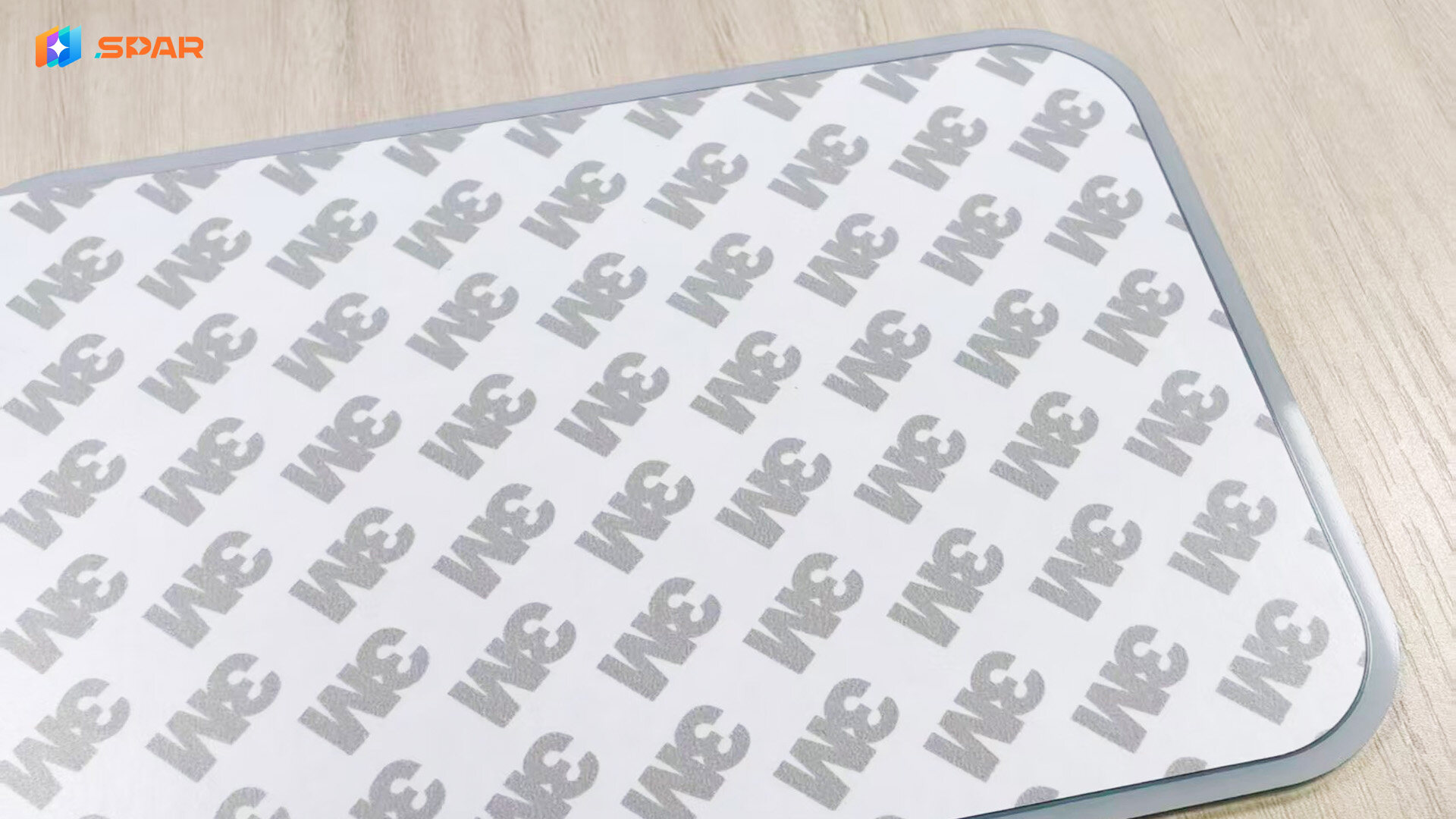
If adhesive lamination is poorly controlled, panel bonding may show bubbles, hollow areas, adhesive overflow, or edge lifting. Daily pressing can further worsen these problems, leading to uneven appearance, reduced touch sensitivity, local debonding, or panel lifting.
To eliminate these risks, Spar Panel selected 3M 9495 300LSE industrial adhesive, which is highly compatible with acrylic and PC substrates for different appliance use scenarios. The lamination process was completed manually in a Class 1,000,000 clean room, ensuring complete bonding across the panel back surface with no bubbles, no adhesive overflow, and no edge lifting or hollow areas.
After lamination, each panel underwent full flatness inspection. We also conducted reliability cycle tests simulating long-term pressing, as well as high/low-temperature environmental testing, to verify adhesive stability under daily household use. These measures prevented edge lifting, debonding, and bonding failure over the panel lifecycle, while maintaining surface flatness and use stability.
Through full-process optimization and appliance-grade quality control, the project successfully met Hisense's customization standards across multiple home appliance categories and achieved stable mass production delivery. This cooperation verified Spar Panel's full-process customization capability for home appliance panels and demonstrated our ability to support process adaptation and large-scale production across multiple appliance scenarios.
For home appliance panel projects, high-precision machining, long-term use stability, batch-to-batch consistency, and global environmental compliance are core competitive factors for leading brand customers.
|
Metric |
Data |
Description |
|
Cooperation Status |
Certified acrylic accessory supplier for Hisense |
Long-term stable qualification for home appliance panel supply |
|
Application Scenarios |
High-end washing machines, microwave ovens, and other appliance categories |
Core panels for touch operation and display functions |
|
Cumulative Delivery Volume |
Over 1,000,000 pieces |
Combined delivery volume of acrylic and PC panels for multiple appliance products since 2018 |
|
Sample Lead Time |
3-5 working days |
Rapid response to multi-category new appliance development |
|
Mass Production Lead Time |
7-14 working days |
Matches high-volume appliance production schedules and delivery plans |
|
Metric |
Data |
Description |
|
Core Substrates |
Mitsubishi high-transparency acrylic and Lexan PC |
Selected according to different appliance scenarios, balancing light transmission, weather resistance, and durability |
|
CNC Machining Tolerance |
Minimum ±0.05 mm |
Better than the brand requirement and suitable for automated assembly |
|
Screen-Print Color Difference |
ΔE≤2 |
Accurate reproduction of Hisense global brand visual standards with strong color consistency |
|
Mass Production Yield |
Above 99.5% |
Stable batch consistency in high-volume production, with no major quality complaints |
|
Environmental Compliance |
RoHS and REACH compliant |
Supports global market access requirements for home appliance products |
|
Authority Inspection |
Full approval |
Passed full performance and appearance inspection by Hisense R&D and quality control departments |
Through this in-depth cooperation with Hisense, Spar Panel developed five core capabilities for multi-category home appliance panel projects:
For Spar Panel, this case was not only a successful mass-production delivery project across multiple home appliance categories. It also helped us build mature experience in multi-scenario panel customization for the appliance industry and establish a standardized production and quality control system suitable for leading global home appliance brands.
Q1: What materials can be customized for home appliance panels, and which appliance categories can they support?
A: We mainly support three material types for custom home appliance panels: acrylic (PMMA), polycarbonate (PC, Lexan), and PET. These materials can be used for washing machines, microwave ovens, water heaters, integrated stoves, air conditioners, refrigerators, and other smart small home appliances. All substrates are selected to meet the environmental, weather-resistance, and abrasion-resistance requirements of the appliance industry. We can recommend the most suitable material based on your product application scenario.
Q2: What CNC machining accuracy can acrylic home appliance panels achieve, and are they suitable for automated assembly?
A: We use high-precision CNC machining equipment to control full-panel machining tolerance within ±0.05 mm. All key processes use a shared cross-registration reference system, ensuring accurate alignment between printed graphics and machined holes. The finished panels can match the standardized production requirements of automated home appliance assembly lines.
Q3: How do you ensure that screen-printed graphics on high-frequency-use appliance panels remain abrasion-resistant and do not fade?
A: We use appliance-grade industrial screen printing inks with high abrasion resistance and strong adhesion, strictly lock the specified brand colors, and optimize screen mesh and curing parameters to ensure sharp printed edges. After printing, we perform cross-hatch adhesion tests, abrasion cycle tests, and household cleaning-agent resistance tests. Through tens of thousands of simulated use cycles, we verify that the printed layer will not peel, fade, or blur after long-term use.
Q4: How do you ensure batch-to-batch consistency during large-volume home appliance panel production?
A: We have established a dedicated closed-loop quality control system for home appliance panels. The control process includes first-article sign-off, standardized hourly patrol inspection, and full final inspection. Each batch is checked for dimensional accuracy, print quality, and lamination quality. At the same time, production parameters, dedicated equipment, and production teams are fixed to ensure consistent performance, appearance, and accuracy from the first piece to the 100,000th piece.
Q5: Do the custom home appliance panels meet environmental compliance requirements for global markets?
A: Our production follows ISO 9001:2015 quality management requirements. For applicable products, substrates, inks, adhesives, and related materials can support RoHS and REACH environmental compliance requirements, and corresponding test reports and compliance documents can be provided to support global market access for home appliance products.
Spar Panel is a China-based source manufacturer specializing in custom panels. We have provided long-term stable support for international brands, with consistent delivery performance and reliable quality.
If you have custom requirements for home appliance acrylic touch panels, white goods functional panels, or screen printing + CNC composite process panels, please contact us and provide your drawings. We will offer a customized quotation and sample development service.


