A graphic overlay sample should be reviewed against the confirmed drawing, artwork, and intended assembly—not by appearance alone.
The drawing and artwork provide the main reference for sample approval.
Before reviewing individual features, compare the physical sample with the files used during production preparation. These may define the finished outline, dimensions, printed areas, windows, openings, color references, surface finish, and adhesive layout.
This approach gives each inspection point a clear reference. A sample may look visually balanced on its own, but the more important question is whether it follows the approved design.
For projects with several related files, it is also useful to confirm that the drawing and artwork describe the same final version of the panel.
The overall profile should be reviewed together with the structural features inside the panel.
Start with the finished shape and dimensions, then check the position of holes, cutouts, display windows, and other openings according to the confirmed drawing.
These features often need to correspond with the equipment interface beneath or around the overlay. A display window, for example, should align with the intended screen area, while cutouts may provide clearance for controls, connectors, indicators, or other components.
Their relationship is just as important as their individual dimensions. A window can have the correct size but still create a problem if its position does not align properly with the surrounding graphics or equipment structure.
For this reason, structural features should be reviewed as part of the complete panel rather than as isolated measurements.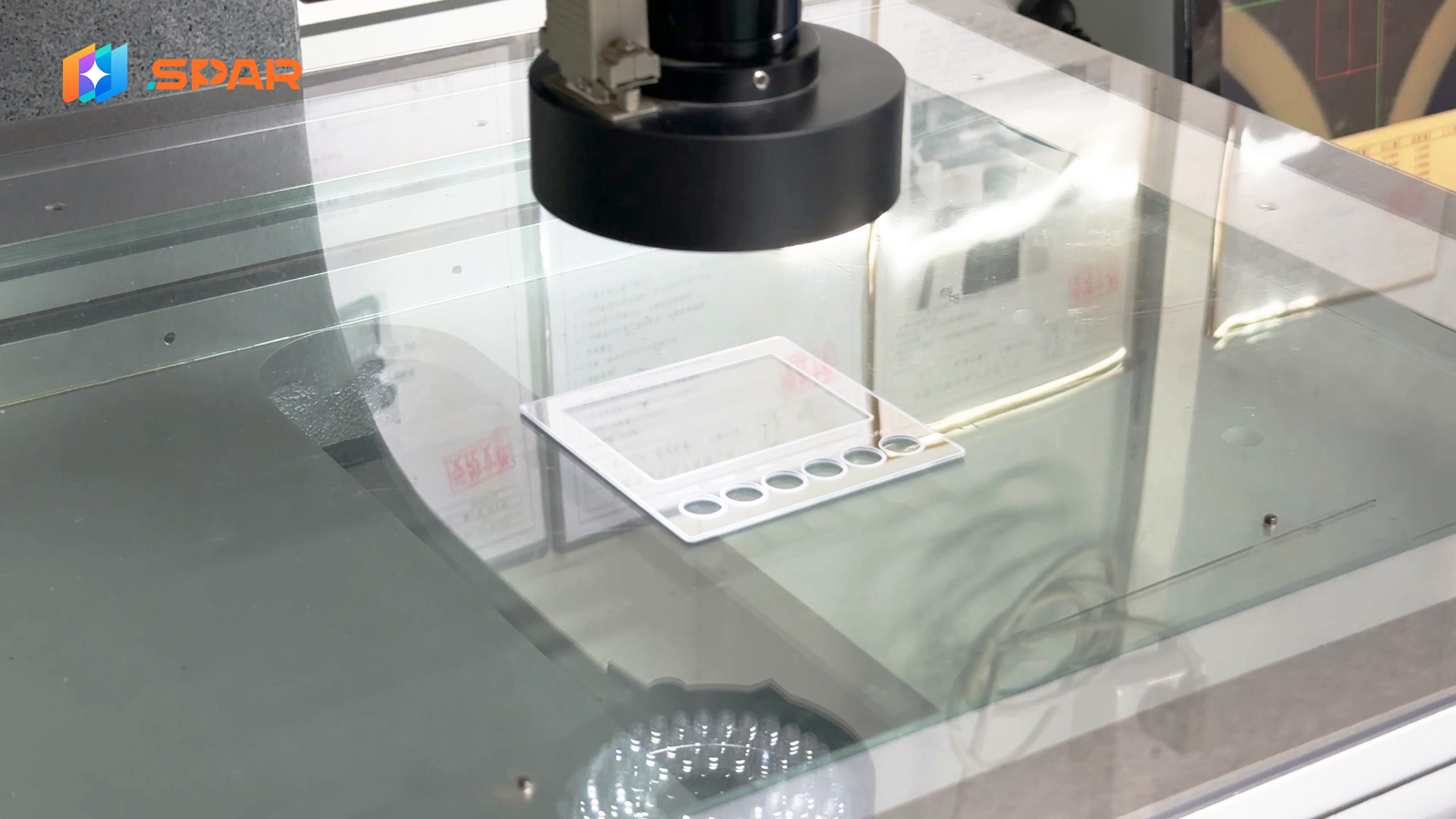
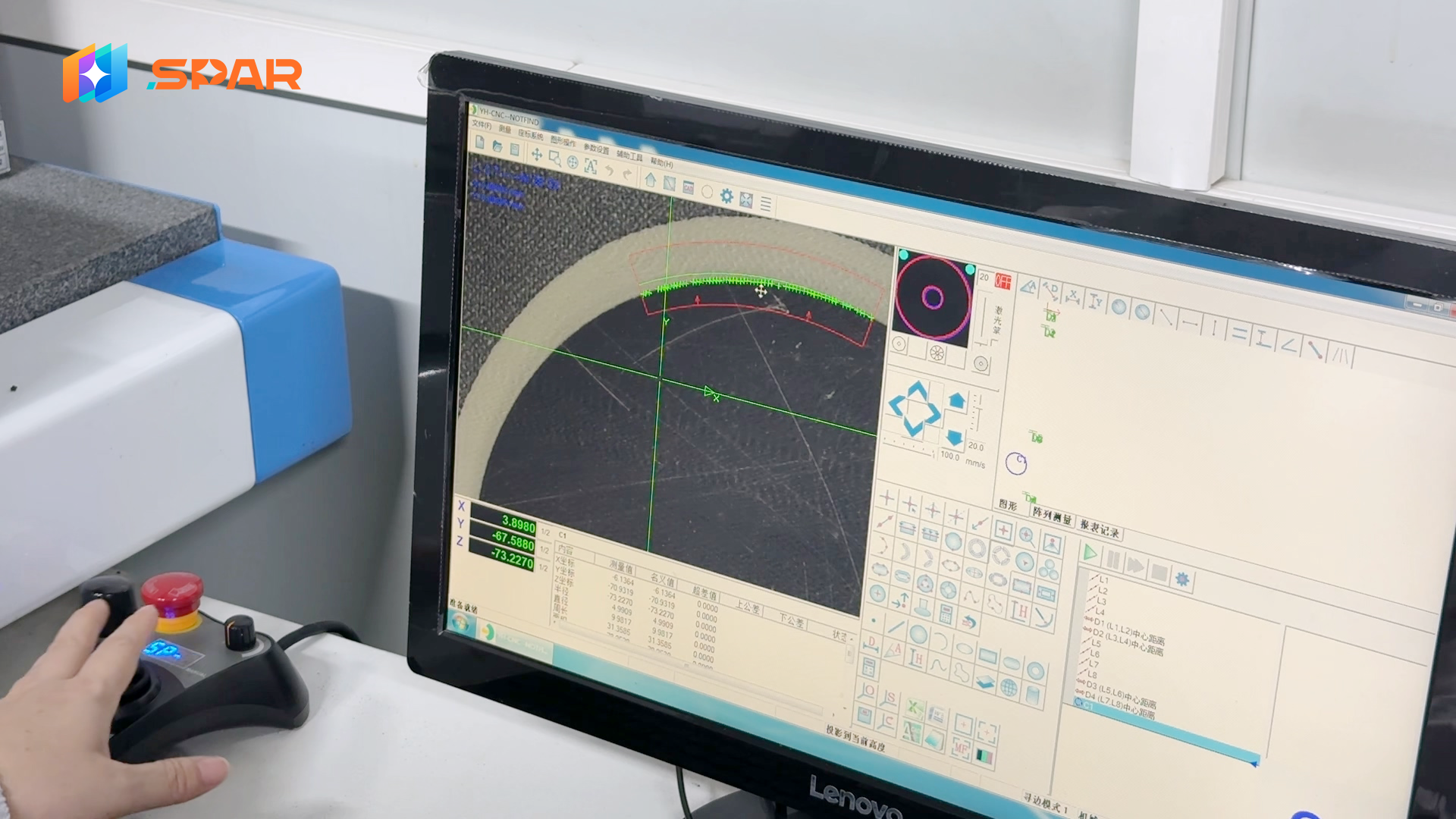
Once the physical structure is confirmed, the printed information can be compared with the approved artwork.
Text, symbols, logos, scale markings, borders, and solid color areas should appear in the correct locations and orientation. Their alignment with nearby windows, cutouts, and panel edges is especially important where the visual and structural elements are closely connected.
Specified color references can also be reviewed during sample confirmation when they form part of the approved artwork.
The purpose is not simply to decide whether a color “looks good.” The sample should be checked against the agreed color information and the intended overall appearance of the panel.
For projects using Pantone color references, those references can provide a clear basis for discussing defined printed colors. More complex artwork may use other color information according to the selected printing process and project requirements.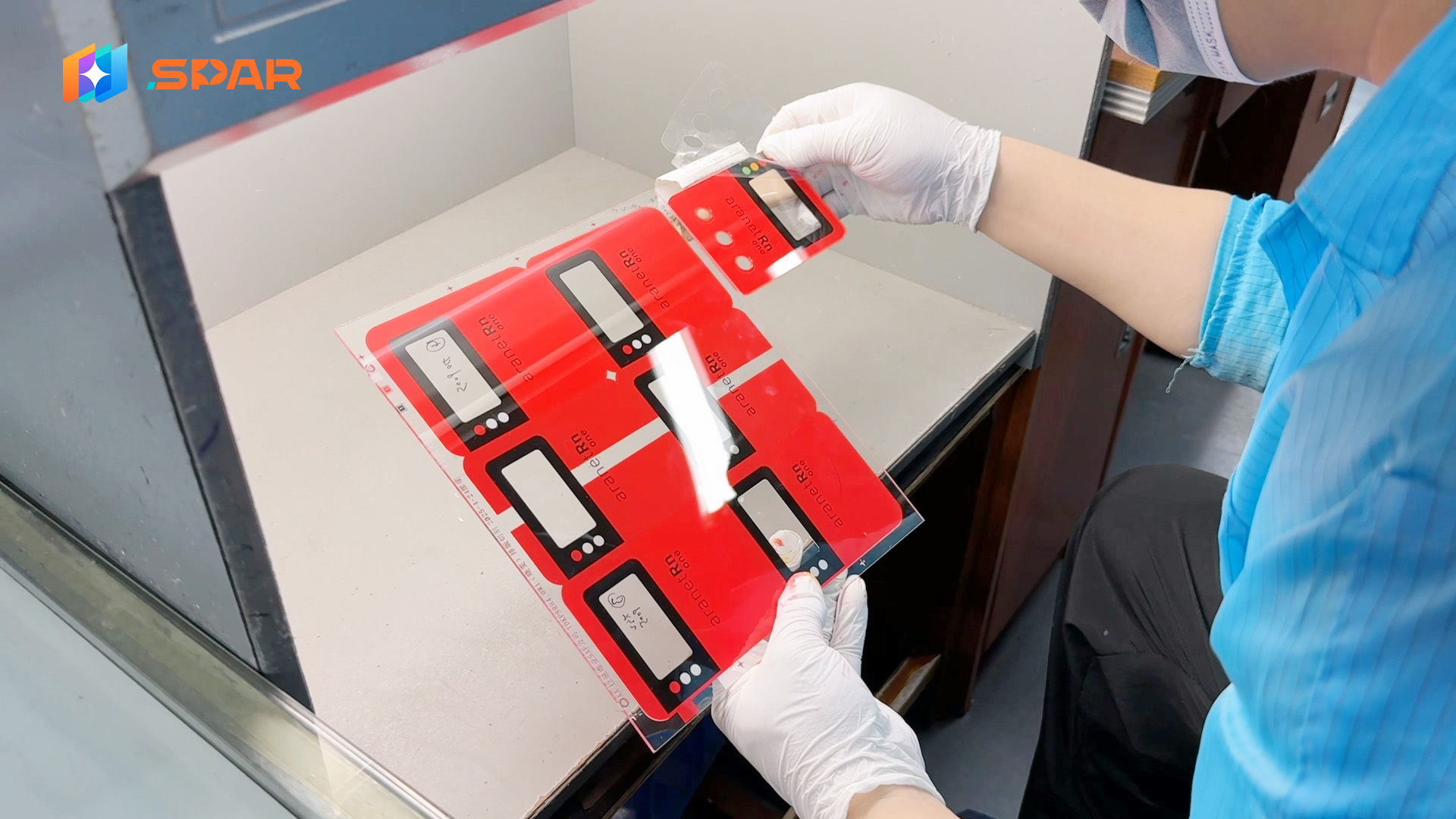
Surface finish affects how the overlay looks and feels as a finished interface.
Where a glossy, matte, textured, or other specified finish is required, the sample should be reviewed for the intended overall appearance. Transparent viewing areas should also be checked from the front to confirm that they suit their intended visual function.
If the design includes embossed button areas, their shape and position should correspond with the confirmed panel drawing and artwork.
These details should not be reviewed only as separate decorative features. A surface finish, printed symbol, transparent window, or embossed area often forms part of a larger interface zone, so the way these features relate to one another matters in the finished part.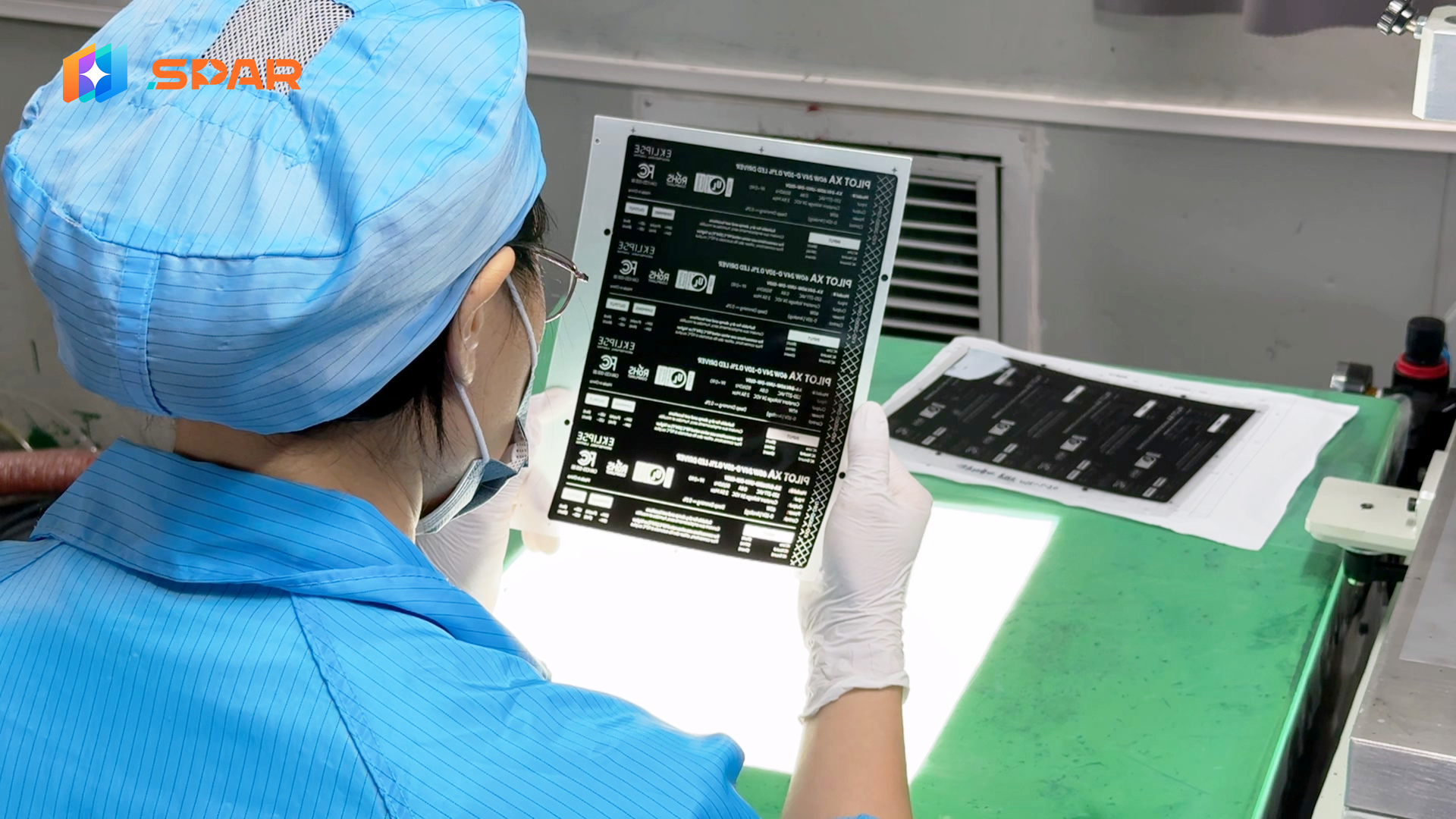
Where the graphic overlay includes double-sided adhesive backing, the adhesive layout should follow the intended mounting structure.
The adhesive can be die cut around windows, holes, cutouts, and other areas that need to remain free of adhesive. During sample review, these areas can be compared with the drawing to confirm that the adhesive follows the required panel profile.
A physical fit check is also valuable when the intended equipment housing or mounting part is available.
Placing the sample in its actual installation position can reveal relationships that are difficult to judge from the overlay alone. The outer profile, windows, openings, graphics, and adhesive structure can then be viewed together in the intended assembly.
This is particularly useful for panels where several interface features need to align closely with the equipment beneath them.
Sample approval should not become a collection of unrelated checks.
A display window may be correctly sized but positioned poorly relative to surrounding graphics. A symbol may match the artwork but appear too close to an opening. An adhesive layer may follow the outer profile but need different clearance around a functional area.
Looking at each feature individually can miss these relationships.
The final review should therefore consider how the dimensions, printed graphics, windows, cutouts, surface finish, adhesive layout, and other specified features work together as one panel.
This complete-panel view is one of the most useful purposes of a physical sample. Drawings and artwork define the design, while the sample shows how those decisions come together in the manufactured part.
Any required changes should be identified clearly before the sample is released for the next production stage.
Rather than relying on general comments such as “adjust the window” or “change the color,” revisions are easier to manage when they are connected to the relevant drawing dimension, artwork element, color reference, or structural requirement.
If a drawing or artwork file is updated after the review, the new revision should clearly represent the version intended for subsequent production.
This helps keep the approved sample, artwork, and manufacturing information aligned.
A: The sample should be checked against the latest confirmed artwork and drawing used for production preparation. These files provide the reference for printed graphics, dimensions, structural features, and other project requirements.
A: A trial fit can be useful when the intended housing or mounting part is available. It allows the panel outline, windows, cutouts, adhesive areas, and printed features to be reviewed in their actual assembly position.
A: Yes. Where defined color requirements form part of the artwork, the sample provides a practical stage for reviewing the finished color appearance together with the material and printed design.
Approving a graphic overlay sample means confirming more than its general appearance.
The sample should reflect the confirmed drawing and artwork, while its dimensions, structural features, printed graphics, surface appearance, and installation-related details should work together in the intended panel assembly.
Spar Panel produces custom graphic overlays according to customer drawings and artwork. Sample confirmation provides a practical stage for reviewing the finished panel structure and visual details before volume production.


